Architect talks how passive houses differ from typical American houses
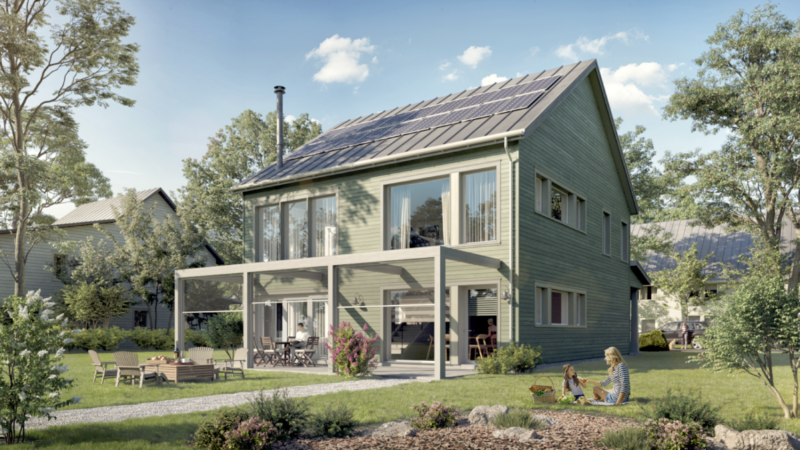
An artist rendering features the design of the passive house being built at 312 West German Street in Shepherdstown. Courtesy photo
SHEPHERDSTOWN — Richard Pedranti Architect (RPA), a premier architecture firm pioneering energy-efficient architecture for modern living, has begun constructing the first Phius design-certified passive building in West Virginia, at 312 West German Street in Shepherdstown.
The single-family passive home’s design was officially approved by the Passive House Institute U.S. (Phius) in Nov. 2024, under the Phius CORE 2021 Program. Gaining this certification and then having its completed construction approved by Phius this coming summer, according to RPA principal Richard Pedranti, is the best way to ensure a building is truly a passive house.
“There are five things we focus on, with a passive house,” Pedranti said.
According to Pedranti, accomplishing the five things necessary to create a passive house, is a collaborative effort between the architects, contractors and home owners.
“Number one is the location — so, a good orientation is essential, to build a passive house,” Pedranti said, crediting home owners Sean and Tracey Porter for selecting an ideal plot of land. “Fortunately, the Porters picked an excellent plot that is due south, on the public side of the lot.”
He noted that passive houses typically have minimal heating or air conditioning systems that are more energy efficient, making their solid constructions particularly necessary, to ensure future residents’ comfort.
“Number two is a lot more insulation — this is, of course, particularly essential in a colder climate,” Pedranti said, noting that passive houses. “Shepherdstown has a mild climate, but in most cases passive houses have much more insulation than the average house, which means thicker walls.
“Number three is really good windows. The standard is triple-pained windows, rather than double-pained, which is more common in America,” Pedranti said. “Number four is what we call ‘airtight construction’ — so, when we design and build it, we make sure it will have as little air leakage as possible.
“That leads to the fifth thing, which is that once we have a very air-tight building, we can use a device that is called an energy recovery ventilator,” Pedranti said. “This is what really makes the big difference in a passive house — it’s a small, simple device that’s on all of the time and exhausts stale air from the bathrooms and kitchens and brings in fresh air from the living spaces.”
While the cost of building a passive house is typically 10 percent higher than that of building the average house in America, Pedranti noted that is not always the case, especially with the help of a skilled architect and the use of prefabricated walls. The house being built in Shepherdstown, because of these and other smart decisions, will cost its owners no more than any other house being built today.
“The big benefit of passive houses, is that you get this remarkable air quality and you have very low operating expenses. So, you’re reducing energy consumption, by between 75 and 90 percent,” Pedranti said.
To learn more about RPA, visit https://richardpedranti.com/.
Local News
Family’s museum exhibit installation legacy continues on, with establishment of new business

In a ‘Holi-Daze’: Parents get a break from the chaos at new library event